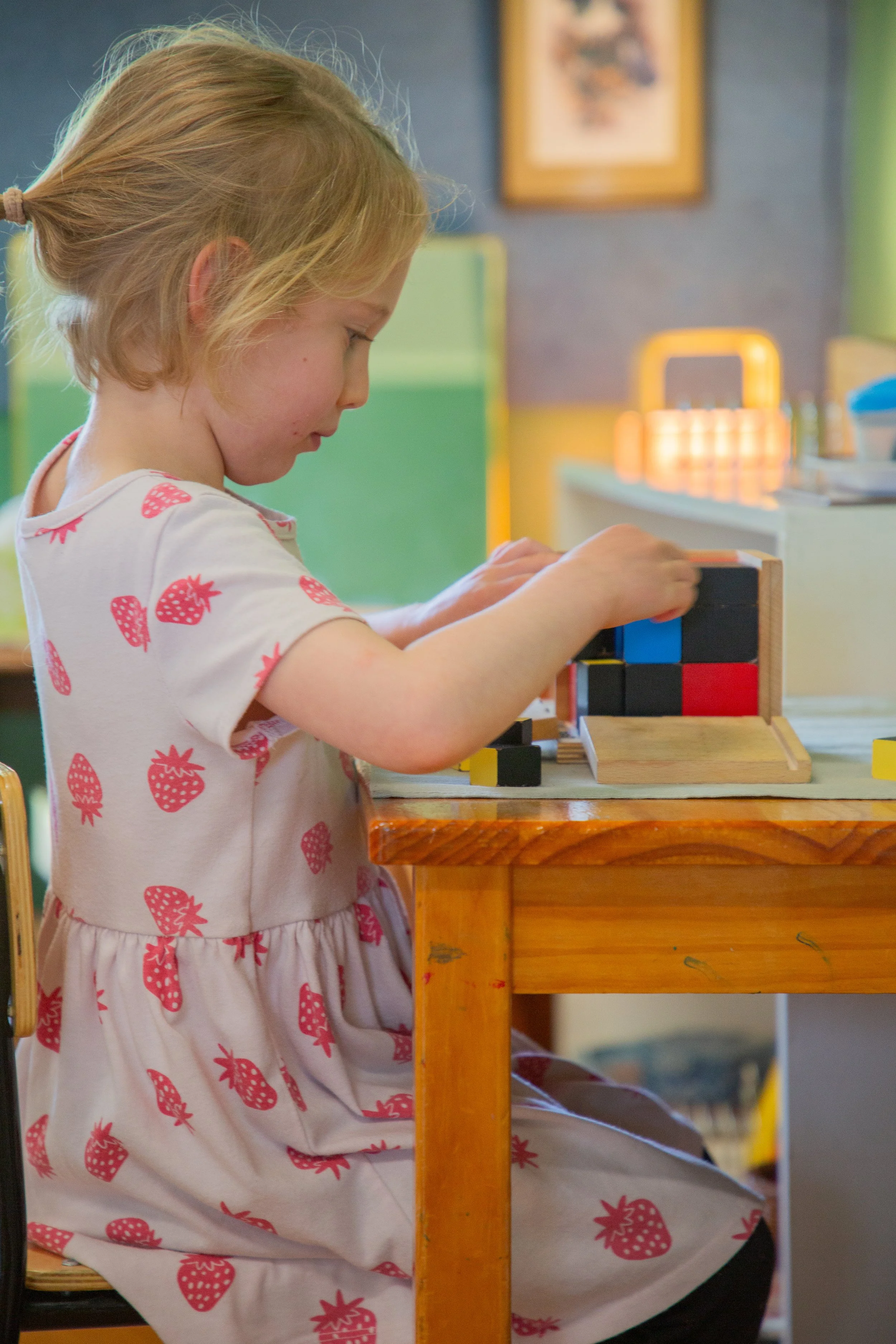
Montessori Approach
Montessori is an educational approach grounded in a simple belief: when children are respected, supported, and given meaningful responsibility, they develop into capable, thoughtful, and peaceful members of society.
At New Plymouth Montessori, this approach shapes how learning happens, how classrooms function, and how children learn to relate to one another.
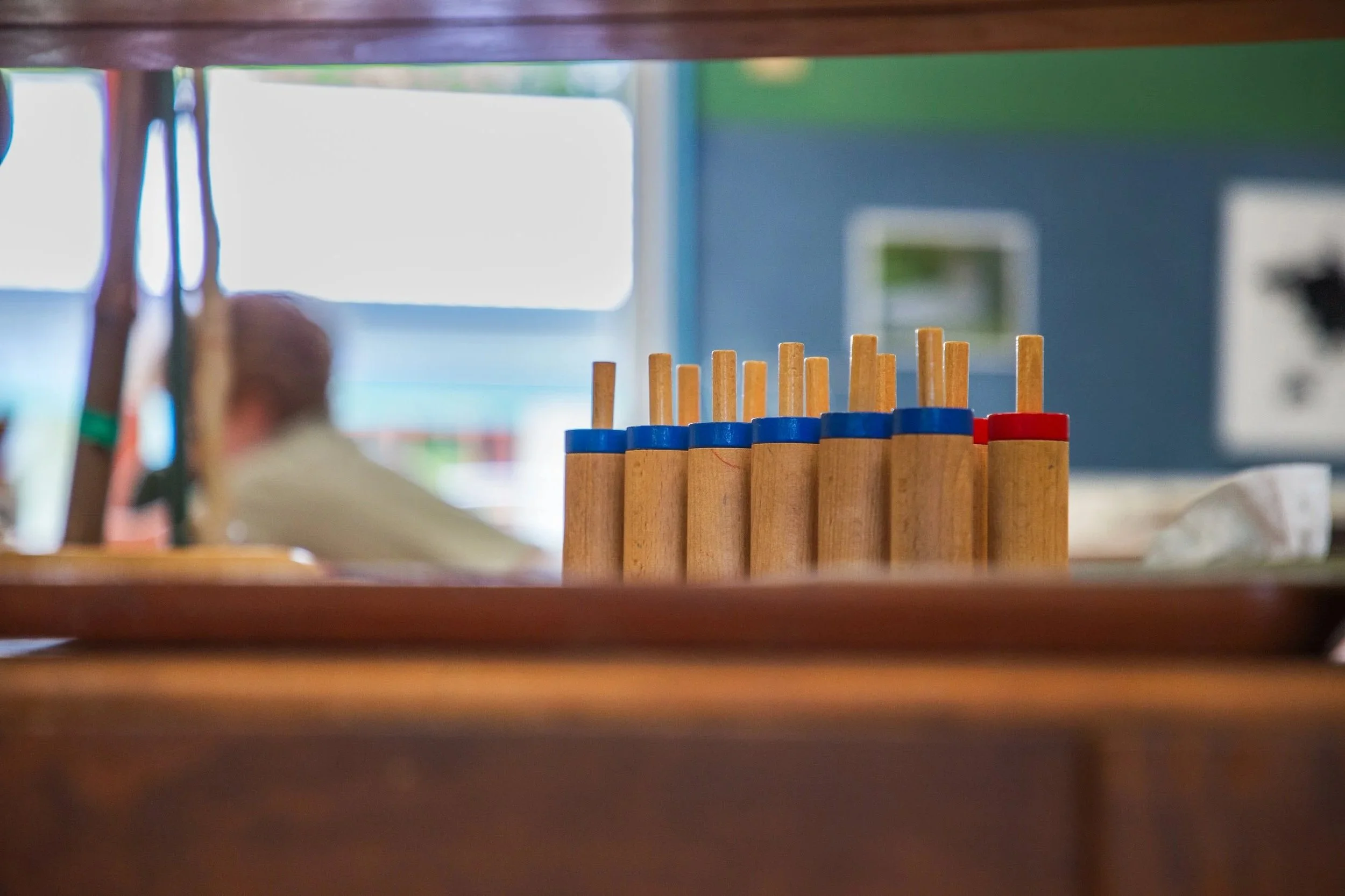
Skills children develop through Montessori
Montessori education is designed to build skills that last beyond childhood. These are not taught as isolated competencies. They develop naturally through daily practice, responsibility, and meaningful work.
Over time, children develop:

Focus and concentration
Children learn to work for sustained periods without constant interruption. This ability to concentrate deeply supports learning across all areas, including reading, writing, and mathematics.

Independence and self-management
Children learn to plan their work, manage their time, and follow tasks through to completion. This builds confidence and reduces reliance on external direction.

CREATIVITY AND EXPRESSION
Children explore their imagination through art, music, and movement. Creative activities develop fine motor skills while fostering self-expression and emotional intelligence.
COLLABORATION AND COMMUNITY
Mixed-age classrooms encourage peer learning and mentorship. Children develop social skills, empathy, and leadership while working together in a supportive environment.
LOVE OF LEARNING AND CURIOSITY
Self-directed exploration nurtures natural curiosity and intrinsic motivation. Children develop a lifelong passion for discovery, asking questions, and seeking knowledge.
RESPECT AND
RESPONSIBILITY
Children learn to care for themselves, others, and their environment. Through practical life activities and grace and courtesy lessons, they develop respect, empathy, and a sense of global citizenship.
-
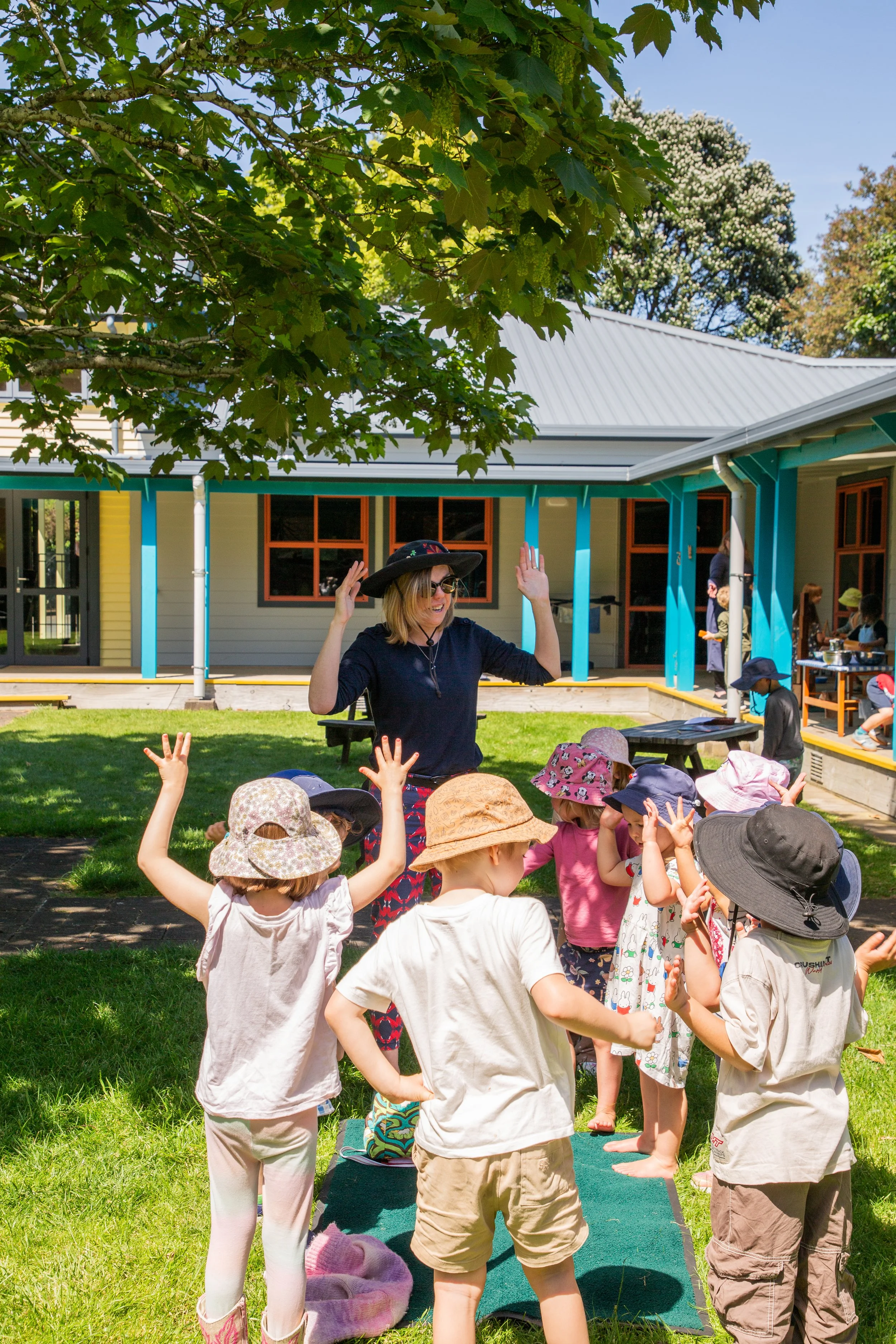
Children learn in mixed-age classrooms where social and academic learning happen together.
Younger children learn by observing older peers. Older children develop leadership, patience, and responsibility. This structure reflects real life and supports strong social development alongside academic progress.
-
Children are trusted with real responsibility. They manage their time, care for their environment, and follow through on work they have chosen.
Freedom is balanced with accountability. Over time, children develop self-discipline, resilience, and confidence in their own capabilities.
-
The classroom environment is carefully designed so children can work independently and successfully. Materials are hands-on, sequenced, and self-correcting, allowing children to recognise and learn from mistakes without constant adult intervention.
The environment supports concentration, problem-solving, and pride in work.
-
Teachers observe closely, guide intentionally, and intervene thoughtfully. They know when to introduce new challenges and when to step back.
Rather than delivering one lesson to many children, teachers work with individuals and small groups, ensuring learning happens at an appropriate pace.
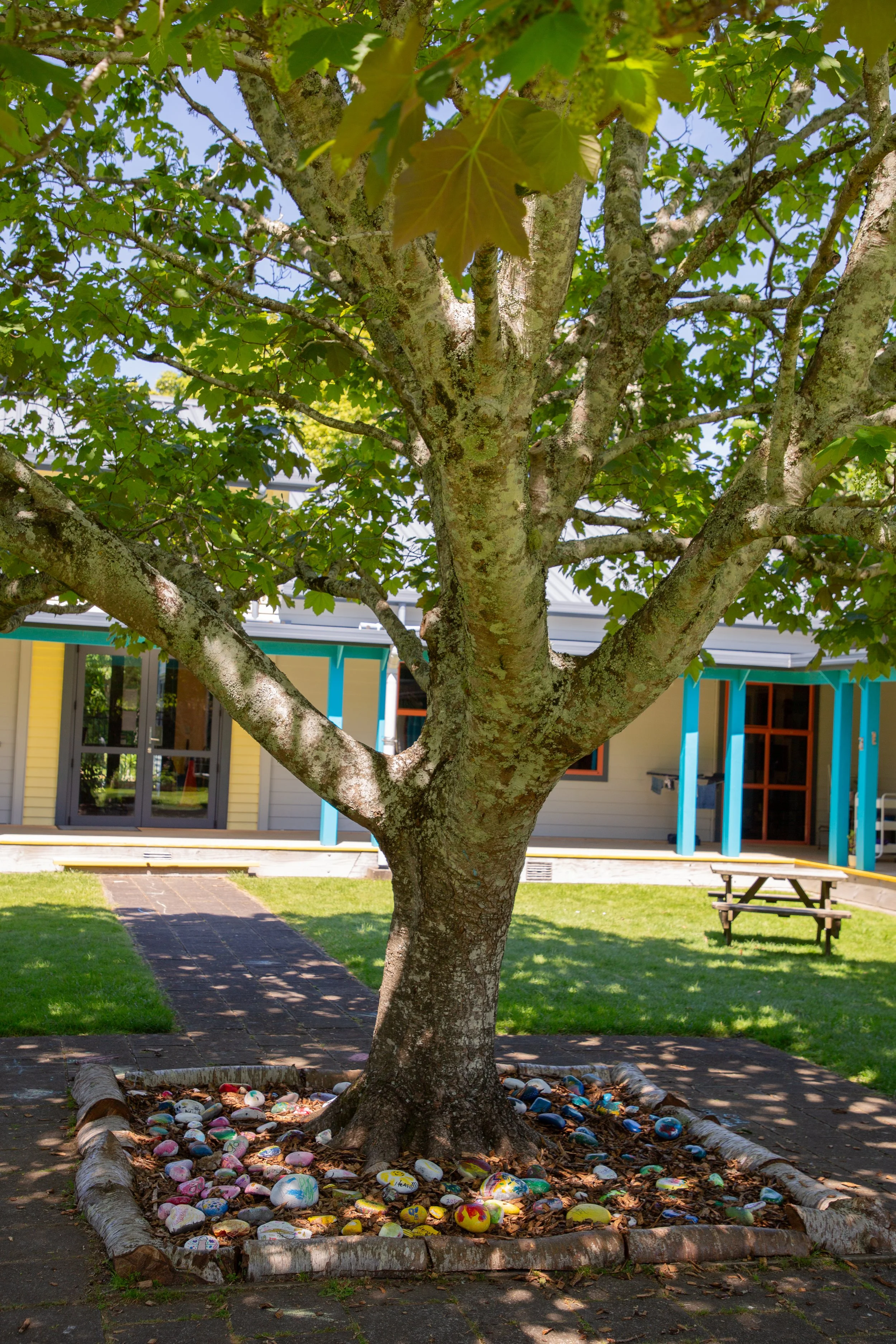
How learning works
From the outside, a Montessori classroom can look very different from a traditional school setting. Children are moving freely, working at different activities, and not all doing the same thing at the same time. This is often why Montessori is mistaken for free play.
What’s less visible is the structure underneath.
Children choose their work, but they do so from a carefully prepared set of materials that follow a clear learning sequence. Each activity has a specific purpose and builds particular skills, from early literacy and mathematics through to problem-solving and reasoning.
Teachers introduce these materials through individual lessons, observe how children engage with them, and guide next steps based on readiness, not age or timetables.
Children practise skills until they are mastered, repeating work, refining technique, and deepening understanding over time. This sustained, self-directed practice is what builds concentration, confidence, and capability.
Learning is active, hands-on, and intentional.
The freedom children experience is within a structure designed to support real learning.
See it in action
Montessori is best understood by experiencing it. We welcome families to visit the school, observe a classroom, and talk with our team.